


Hey there! I'm super stoked to be here, sharing all about how interactive scale models simulate real - world scenarios. As a supplier of Interactive Scale Models, I've seen firsthand the magic these models can bring to various industries. So, let's dive right in!
The Basics of Interactive Scale Models
First off, what are interactive scale models? Well, they're not your average static models. Interactive Scale Models, like the ones you can check out here, are designed to mimic real - world situations in a hands - on way. They use a combination of physical structures and digital technology to create an immersive experience.
Think about it. In the real world, things are constantly changing. Buildings get built, traffic patterns shift, and ecosystems evolve. Interactive scale models allow us to replicate these dynamic elements. For example, in an urban planning model, you can simulate the growth of a city over time. You can add new buildings, change road layouts, and see how these changes affect traffic flow and the overall environment.
How They Replicate Real - World Scenarios
1. Physical Representation
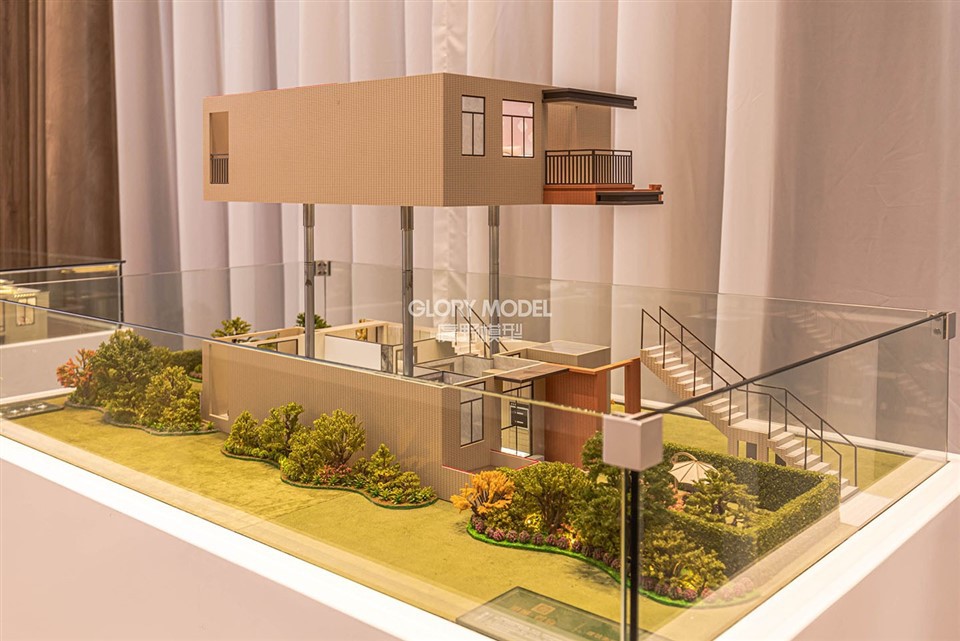
The foundation of any interactive scale model is its physical form. We use high - quality materials to create accurate replicas of real - world objects. Whether it's a building, a vehicle, or a natural landscape, every detail matters. For instance, when making a model of a skyscraper, we pay attention to the shape, size, and texture of the building. We might use 3D Printer Model Making to create precise components. This technology allows us to print complex shapes with incredible accuracy, ensuring that the model looks as realistic as possible.
2. Digital Integration
But the real magic happens when we integrate digital technology. We use sensors, actuators, and software to bring the model to life. Sensors can detect changes in the model, such as the movement of a vehicle or the opening of a door. Actuators can then respond to these changes, for example, by adjusting the speed of a moving part or changing the lighting in a room.
Software plays a crucial role in controlling these digital elements. It allows us to program different scenarios and simulate real - world events. For example, in a model of a power plant, we can simulate a power outage. The software can control the lights, the movement of machinery, and the display of data to show what would happen in a real - life situation.
3. User Interaction
One of the key features of interactive scale models is user interaction. Users can interact with the model in various ways, such as touching a screen, using a remote control, or even speaking commands. This interaction adds a new level of realism and engagement. For example, in an educational model of a human body, students can use a touchscreen to explore different organs and learn about their functions. They can zoom in on specific areas, rotate the model, and get detailed information about each part.
Applications in Different Industries
1. Architecture and Urban Planning
In architecture and urban planning, interactive scale models are invaluable. Architects can use them to present their designs to clients in a more engaging way. Instead of just looking at 2D drawings or 3D renderings, clients can physically interact with the model. They can walk around the building, open doors, and see how the space feels. Urban planners can also use these models to simulate the impact of new developments on the surrounding area. They can test different scenarios, such as the addition of a new park or a transportation hub, and see how it affects traffic, housing, and the environment.
2. Education
In the education sector, interactive scale models are a great teaching tool. They can make complex concepts easier to understand. For example, in a science class, a model of a solar system can help students visualize the orbits of planets and the relative sizes of celestial bodies. In a history class, a model of an ancient city can bring the past to life. Students can explore the streets, buildings, and monuments, and learn about the culture and daily life of the people who lived there.
3. Engineering and Manufacturing
Engineers and manufacturers can use interactive scale models to test new designs and processes. For example, in the automotive industry, a model of a car can be used to test the aerodynamics, the performance of the engine, and the safety features. Manufacturers can also use these models to train their employees. Workers can learn how to operate machinery and perform maintenance tasks on the model before working on the real thing.
The Future of Interactive Scale Models
The future of interactive scale models looks incredibly promising. As technology continues to advance, we can expect even more realistic and immersive experiences. For example, we might see the integration of virtual reality (VR) and augmented reality (AR) with interactive scale models. This would allow users to have an even more immersive experience, as if they were actually in the real - world scenario.
We might also see the development of more intelligent models. These models could use artificial intelligence (AI) to learn and adapt to different situations. For example, in a model of a smart city, the AI could analyze data from sensors and make decisions to optimize traffic flow, energy consumption, and waste management.
Why Choose Our Interactive Scale Models
As a supplier of Interactive Scale Models, we take pride in our work. We have a team of experienced designers, engineers, and technicians who are passionate about creating high - quality models. We use the latest technology and materials to ensure that our models are accurate, durable, and engaging.
Our models are customizable to meet the specific needs of our clients. Whether you're an architect, an educator, or an engineer, we can create a model that fits your requirements. We also offer excellent customer service. We work closely with our clients throughout the design and production process to ensure that they are satisfied with the final product.
Let's Connect!
If you're interested in learning more about our Interactive Scale Models or have a project in mind, I'd love to hear from you. We're always excited to work with new clients and help them bring their ideas to life. Whether you need a model for a small - scale project or a large - scale development, we have the expertise and resources to make it happen. So, don't hesitate to reach out and start a conversation about your needs.

References
- "Model Making in Architecture" by Francis D.K. Ching
- "Interactive Design: Creating Meaningful Experiences" by Dan Saffer
- "Engineering Design: A Systematic Approach" by Gerhard Pahl, Wolfgang Beitz, Jörg Feldhusen, and Karl - Heinz Grote


