


Hey there! If you're into 3D printing, you know how cool it is to make your own 3D models. But what if you want to create a 3D model with a soft texture? Well, you're in the right place! I'm from a 3D Printer Model Making [we'll assume a general context where we can just say "our company" without naming it] supplier, and I'm gonna share some tips on how to do just that.
Understanding the Basics of Soft - Textured 3D Models
First off, let's talk about why you might want a soft - textured 3D model. Soft textures can make your models more realistic, especially if you're creating something like a toy, a character with fur, or a cushion. They can also add a unique tactile element to your prints.
When it comes to 3D printing, the materials you use play a huge role. For soft textures, you've got a few options. One popular choice is TPU (Thermoplastic Polyurethane). It's flexible, durable, and can give you that soft, rubbery feel. Another option is flexible filaments like NinjaFlex. These materials are great for achieving that squishy texture we're after.
Designing Your Soft - Textured 3D Model
Now, let's get into the design part. You can use a variety of 3D modeling software to create your model. Programs like Blender, Fusion 360, and SketchUp are all great choices. They're user - friendly and have a ton of features that can help you bring your soft - textured ideas to life.
If you're new to 3D modeling, start with simple shapes. For example, if you want to make a soft ball, begin by creating a sphere in your software. Then, you can add details to give it that soft look. You can use tools like the sculpting brush in Blender to add bumps and irregularities, which will mimic the texture of a real - life soft object.
When designing, think about how the soft texture will affect the overall structure of your model. Soft materials might not hold their shape as well as rigid ones, so you may need to add some internal supports or a stiffer core. For instance, if you're making a soft - textured figurine, you could create a solid inner structure and then add a soft outer layer.
Preparing Your Model for Printing
Once you've designed your model, it's time to prepare it for 3D printing. This involves slicing your model into layers that the 3D printer can understand. You can use slicing software like Cura or Simplify3D.
In the slicing process, pay special attention to the settings for your soft filament. Soft filaments require different settings compared to rigid ones. You'll usually need a lower printing speed to prevent the filament from clogging the nozzle. Also, the temperature settings are crucial. TPU, for example, typically prints at a lower temperature than PLA.
Make sure to adjust the infill percentage as well. A lower infill percentage will make your model lighter and more flexible, which is perfect for a soft - textured print. However, be careful not to go too low, or your model might be too weak.
Printing Your Soft - Textured Model
Now, it's finally time to hit that print button! But before you do, double - check your 3D printer. Make sure the nozzle is clean and the filament is loaded correctly.
During the printing process, keep an eye on it. Soft filaments can be a bit tricky to print, and you might encounter some issues like stringing or clogging. If you notice stringing, you can try adjusting the retraction settings in your slicing software.

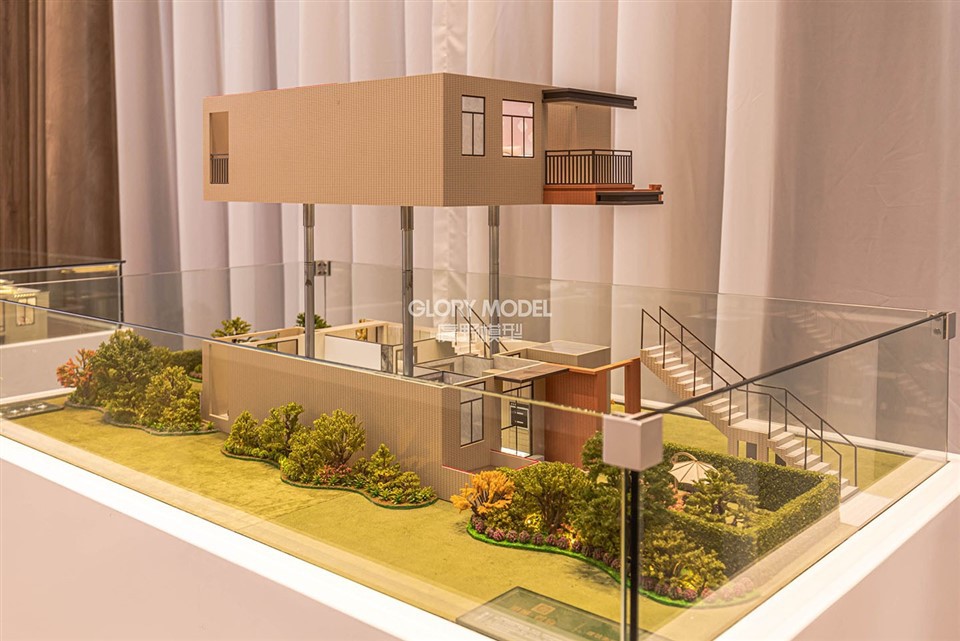
Once the print is finished, let it cool down completely. Soft filaments can take a bit longer to cool compared to rigid ones. After it's cooled, you can remove any supports and give your model a final inspection.
Post - Processing Your Model
After printing, you might want to do some post - processing to enhance the soft texture. You can sand your model gently to smooth out any rough edges. If you want to add more color or detail, you can use acrylic paints. Just make sure the paint is suitable for your soft filament material.
Another option is to apply a clear coat. A clear coat can give your model a more polished look and also protect the soft texture. There are different types of clear coats available, such as spray - on clear coats or brush - on ones.
Our 3D Printer Model Making Services
As a 3D Printer Model Making [our company] supplier, we offer a wide range of services to help you create amazing soft - textured 3D models. We have a team of experienced designers who can assist you with the design process. Whether you have a rough idea or a detailed concept, we can turn it into a printable 3D model.
We also have state - of - the - art 3D printers that are capable of printing with various soft filaments. Our printers are well - maintained, and we have a strict quality control process to ensure that your prints are of the highest quality.
If you're interested in our services, you can check out our 3D Printer Model Making page. There, you'll find more information about what we offer and how we can help you with your 3D printing projects.
Related Products and Applications
We also have some other cool products and applications that you might be interested in. For example, our Electric Liftable Architectural Models are a great way to showcase architectural designs in a unique and interactive way. These models can have soft - textured elements to make them more realistic.
Our Interactive Scale Models are another great option. They allow you to engage with the model in different ways, and soft - textured parts can add an extra level of immersion.
Contact Us for Your Soft - Textured 3D Model Needs
If you're excited about creating your own soft - textured 3D models or need help with your projects, don't hesitate to get in touch. We're here to answer any questions you might have and work with you to bring your ideas to life. Whether you're a hobbyist or a professional, we can provide the support and services you need.
References
- "3D Printing for Dummies" by John Graham - Cumming
- Online tutorials on Blender, Fusion 360, and Cura
- Manufacturer's guides for TPU and other soft filaments


