


As a supplier of Maritime Models, I've had the privilege of delving deep into the fascinating world of these intricate replicas. One question that often arises is: What are the differences between military and civilian Maritime Models? In this blog post, I'll explore these disparities, drawing on my experience in the industry and the unique insights I've gained from working with a diverse range of clients.
Design and Functionality
The first and most obvious difference between military and civilian Maritime Models lies in their design and functionality. Military models are typically built to replicate the appearance and capabilities of real - life military vessels, such as battleships, submarines, and aircraft carriers. These models are often highly detailed, with features like working cannons, radar systems, and missile launchers. The design is focused on accuracy and authenticity, as they are often used for educational purposes, military training simulations, or as collectibles for military enthusiasts.
On the other hand, civilian Maritime Models are designed to represent a wide variety of vessels, including cargo ships, cruise liners, fishing boats, and yachts. The emphasis here is more on aesthetics and the practical aspects of civilian maritime operations. For example, a cargo ship model might highlight the loading and unloading mechanisms, while a cruise liner model could showcase the luxurious amenities on board. Civilian models are often used for display in offices, hotels, or private collections, as well as for educational purposes in maritime studies.
Scale and Size
Scale and size also play a significant role in differentiating military and civilian Maritime Models. Military models can come in a wide range of scales, from very small, desktop - sized replicas to large, museum - quality pieces. The scale is often determined by the intended use of the model. For military training and educational purposes, larger - scale models may be preferred to provide a more realistic representation of the vessel's features and layout. However, for collectors, smaller - scale models can be more convenient to display and collect.
Civilian Maritime Models also vary in scale, but there is a tendency towards larger sizes for some types of vessels, especially cruise liners and large cargo ships. These larger models can create a more impressive visual impact when displayed, and they are often used in corporate settings or public spaces. Smaller - scale civilian models, such as yachts and fishing boats, are popular among hobbyists and collectors.
Materials and Construction
The materials and construction methods used for military and civilian Maritime Models can differ significantly. Military models often require high - strength and durable materials to withstand handling during training exercises or to maintain their integrity over time as collectibles. Metals like brass and aluminum are commonly used for the hull and structural components, while plastic and resin are used for the more detailed parts. The construction process for military models is usually more complex, involving precision machining and assembly to ensure accurate replication of the real - life vessel.

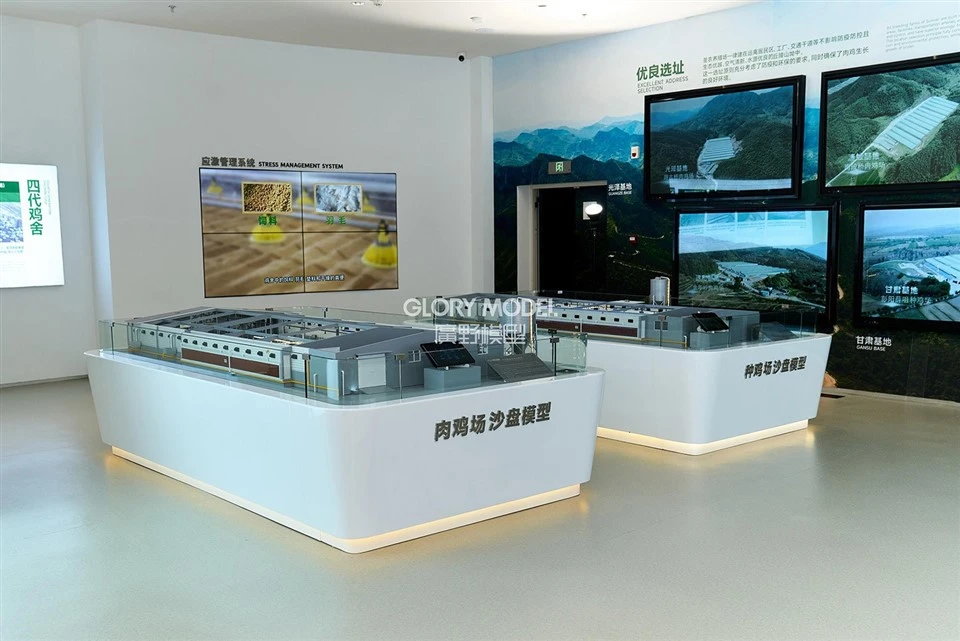
Civilian Maritime Models can be made from a wider variety of materials, including wood, plastic, and fiberglass. Wood is a popular choice for traditional - style vessels, such as wooden yachts and fishing boats, as it gives the model a warm and natural appearance. Plastic and fiberglass are often used for larger and more modern - looking civilian models, as they are lightweight and offer more flexibility in terms of design. The construction of civilian models may be less complex compared to military models, but still requires a high level of craftsmanship to achieve a realistic and appealing finish.
Paint and Finishing
The paint and finishing of military and civilian Maritime Models also present distinct differences. Military models usually feature camouflage paint schemes or military - standard colors to match their real - life counterparts. The paintwork is often very precise, with attention to details such as weathering and wear to make the model look more realistic. Specialized paints and techniques are used to achieve the desired effect, and the finishing touches can include decals of military insignias and markings.
Civilian Maritime Models are painted in a more diverse range of colors and finishes. Cargo ships may have simple, industrial - looking paint jobs, while cruise liners are often decorated with bright and colorful exteriors to attract passengers. Yachts, on the other hand, may have a high - gloss finish to enhance their luxurious appearance. The paintwork on civilian models is designed to showcase the vessel's identity and aesthetic appeal rather than to blend in or convey a military function.
Market Demand and Applications
The market demand and applications for military and civilian Maritime Models are quite different. Military models are in demand among military institutions for training and educational purposes. They are also popular among military history buffs and collectors who are interested in the history and technology of military vessels. These models can be quite expensive, especially those that are highly detailed and made with high - quality materials.
Civilian Maritime Models have a broader market appeal. They are used for display in commercial and residential settings, as well as in educational institutions to teach about civilian maritime operations. The market for civilian models also includes hobbyists who enjoy building and collecting different types of vessels. The affordability and variety of civilian Maritime Models make them accessible to a wider range of customers.
Connection to Other Model Types
As a supplier not only of Maritime Models, but also of related model types, I've noticed some interesting connections. For example, Plant Layout Models can be related to civilian Maritime Models in the context of port facilities. A plant layout model of a port can include representations of cargo ships and their associated loading and unloading equipment, providing a comprehensive view of the maritime - industrial ecosystem.
Similarly, Battery Energy Storage System Models are becoming increasingly relevant to Maritime Models, both military and civilian. With the growing trend towards sustainable energy in the maritime industry, these models can showcase how energy storage systems are integrated into vessels. This connection highlights the evolving nature of the maritime model industry and its relationship with other engineering - related fields.
Contact for Procurement
If you're interested in purchasing Maritime Models, whether they are military or civilian, I invite you to reach out for a procurement discussion. We have a wide range of options available, from standard models to custom - built replicas that can meet your specific requirements. Our team of experts is dedicated to providing high - quality models and excellent customer service.
References
- "Maritime Modeling: A Comprehensive Guide", Maritime Publishing, 2018.
- "Military Vessels: Design and History", Naval Institute Press, 2020.
- "Civilian Shipping: Trends and Innovations", International Maritime Journal, 2021.


