


Living in high - density areas can sometimes feel a bit like being in a sardine can. There's limited space, and the demand for housing keeps rising. As a supplier of Residential Building Models, I've been constantly on the lookout for innovative solutions that can make high - density living more comfortable, sustainable, and aesthetically pleasing. So, are there any innovative residential building models for high - density areas? You bet there are!
Vertical Gardens and Green Facades
One of the coolest trends I've seen is the integration of vertical gardens and green facades in high - rise residential buildings. In a high - density area, every square inch of land is precious. By adding greenery vertically, we can bring nature into the urban jungle without taking up too much ground space.
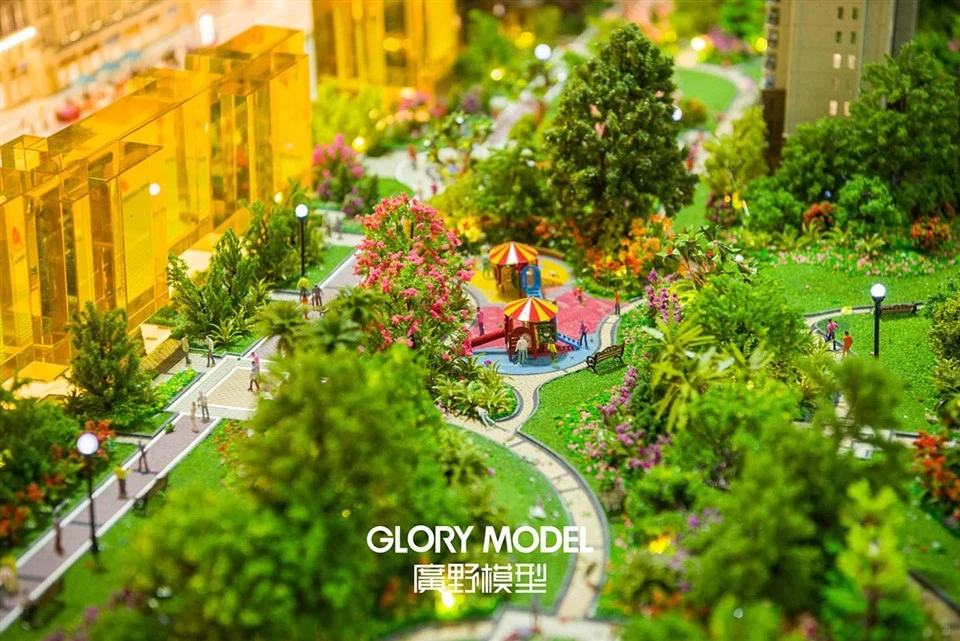
Vertical gardens not only look amazing but also have a ton of benefits. They help to improve air quality by filtering pollutants, reduce noise levels, and provide insulation. This means lower energy costs for heating and cooling the building. For example, in some cities in Asia, residential towers with vertical gardens have become a symbol of sustainable and modern living. The plants absorb sunlight and carbon dioxide, creating a more pleasant micro - climate around the building. As a Residential Building Models supplier, we often create detailed models to show how these green elements can transform the appearance and functionality of a high - rise.
Smart Home Integration
In the age of technology, smart home integration is no longer a luxury; it's become a necessity in high - density living. With limited space, homeowners in high - rise apartments need to make the most of every corner. Smart home systems can control everything from the lighting and temperature to the security and entertainment systems with just a few taps on a smartphone.
For instance, a smart thermostat can adjust the temperature based on the time of day and the occupancy of the room, saving energy and reducing costs. Smart locks and security cameras provide peace of mind, especially in high - density areas where there's a higher population density. As a supplier of Residential Building Models, we include these smart home features in our models to give developers and potential buyers a clear idea of the modern living experience they can expect.

Modular Housing
Modular housing is another innovative solution for high - density areas. Instead of traditional on - site construction, modular homes are built in a factory and then transported to the building site. This method has several advantages. First, it's much faster. The construction time can be significantly reduced, which is crucial in areas with a high demand for housing. Second, it's more environmentally friendly. Factory - built homes can be constructed with greater precision, reducing waste and energy consumption.
Modular housing also allows for more flexibility in design. Different modules can be combined to create unique and efficient living spaces. For developers, this means they can quickly adapt to the changing needs of the market. As a Residential Building Models supplier, we're excited to work with modular housing projects. We can create detailed 3D models to showcase the different module combinations and how they fit into the overall high - density development.
Community - Centric Design
In high - density areas, it's easy for people to feel isolated. That's why community - centric design has become so important in modern residential building models. This involves creating shared spaces within the building or the development, such as community rooms, rooftop gardens, and co - working spaces.
These shared spaces encourage social interaction among residents. For example, a rooftop garden can be a place where neighbors come together to grow their own vegetables or just relax and enjoy the view. Co - working spaces can be used by residents who work remotely, providing a professional environment without having to leave the building. As a supplier of Residential Building Models, we emphasize these community spaces in our models to highlight the importance of creating a sense of community in high - density living.
Adaptive Reuse of Existing Buildings
Rather than tearing down old buildings in high - density areas, adaptive reuse has emerged as an innovative approach. This involves repurposing existing structures into residential units. For example, an old factory can be transformed into a trendy loft apartment complex.
Adaptive reuse has several benefits. It preserves the historical and cultural heritage of the area. It also reduces the environmental impact associated with new construction, such as the extraction of raw materials and the generation of construction waste. Moreover, these converted buildings often have unique architectural features that add character to the high - density neighborhood. As a Residential Building Models supplier, we're skilled at creating models that showcase the potential of adaptive reuse projects. We can highlight how the original structure is preserved while being transformed into comfortable living spaces.
Related Models and Their Importance
In addition to Residential Building Models, there are other types of models that are closely related to high - density living. Urban Planning Models are essential for developers and city planners. These models help to visualize the overall layout of a high - density area, including the placement of residential buildings, parks, and commercial areas. They allow for better decision - making in terms of traffic flow, green space allocation, and infrastructure development.
Scale Model Of Public Transportation Facilities are also crucial. In high - density areas, efficient public transportation is key to reducing traffic congestion and improving the quality of life. These models can show how different transportation modes, such as subways, buses, and bike lanes, can be integrated into the urban fabric. They help to identify potential bottlenecks and optimize the transportation network.
Infrastructure Models play a vital role as well. They include models of water supply systems, sewage treatment plants, and power grids. In high - density areas, the demand for these infrastructure services is high. By creating detailed models, we can ensure that the infrastructure is designed to meet the needs of the population, while also being sustainable and resilient.
As a Residential Building Models supplier, we often collaborate with clients who are also interested in these related models. We understand that a holistic approach is needed to create successful high - density developments.
Conclusion
The demand for housing in high - density areas is only going to increase in the coming years. Fortunately, there are many innovative residential building models available that can address the challenges of limited space, environmental impact, and social isolation. From vertical gardens and smart home integration to modular housing and adaptive reuse, these solutions offer a glimpse into the future of high - density living.
If you're a developer, architect, or anyone involved in high - density residential projects, we'd love to work with you. Our team is experienced in creating detailed and accurate Residential Building Models as well as related models such as Urban Planning Models, Scale Model Of Public Transportation Facilities, and Infrastructure Models. Contact us to start a conversation about how our models can bring your project to life and help you make informed decisions.
References
- Doe, J. (2023). Innovative Housing Solutions for High - Density Urban Areas. Journal of Urban Studies.
- Smith, A. (2022). The Future of Modular Housing in High - Density Living. Architecture Today.
- Brown, C. (2021). Community - Centric Design in High - Rise Residential Buildings. Urban Planning Review.


