


Hey there! As a supplier of Infrastructure Models, I've seen firsthand how these models play a crucial role in the telecommunications industry. In this blog, I'll share with you how infrastructure models are used in this dynamic field.
Planning and Design
When it comes to building a telecommunications network, planning and design are the first steps. Infrastructure models are like the blueprints for the entire project. They help telecom companies visualize the layout of their networks, including cell towers, fiber - optic cables, and data centers.
For example, a 3D model can show the exact location of cell towers in a city. It takes into account factors like terrain, population density, and existing buildings. With this model, telecom engineers can determine the optimal placement of towers to ensure maximum coverage. They can also simulate how signals will propagate through the area, identifying potential dead zones.
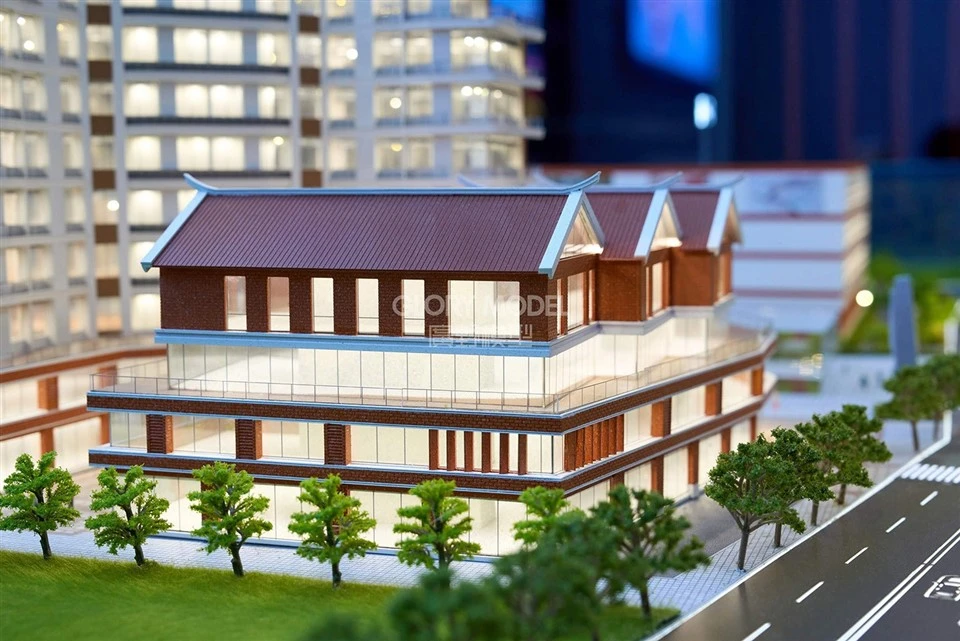
Crystal Architectural Models, available at Crystal Architectural Models, are great for this kind of planning. These models offer high - precision details, allowing for accurate analysis of the proposed network layout. Telecom planners can use these models to present their ideas to stakeholders, making it easier for non - technical people to understand the project.
Cost Estimation
Cost is always a major concern in the telecommunications industry. Infrastructure models are extremely useful for estimating the costs associated with building and maintaining a network.
By using a detailed model, telecom companies can calculate the amount of materials needed, such as cables, poles, and equipment. They can also estimate labor costs based on the complexity of the installation. For instance, if a model shows that a fiber - optic cable needs to be laid underground through a densely populated area, the company can anticipate higher labor costs due to the need for specialized equipment and permits.
Interior Models, which you can find at Interior Models, are also valuable here. These models can help in estimating the cost of setting up the interior of data centers. They show the layout of servers, cooling systems, and power distribution units, allowing for a more accurate cost assessment.
Network Expansion and Upgrades
As the demand for telecommunications services grows, companies need to expand and upgrade their networks regularly. Infrastructure models are essential for this process.
They can be used to simulate the impact of adding new cell towers or upgrading existing ones. For example, a model can show how adding a new tower in a particular area will affect the overall network performance. It can predict changes in signal strength, capacity, and interference levels.
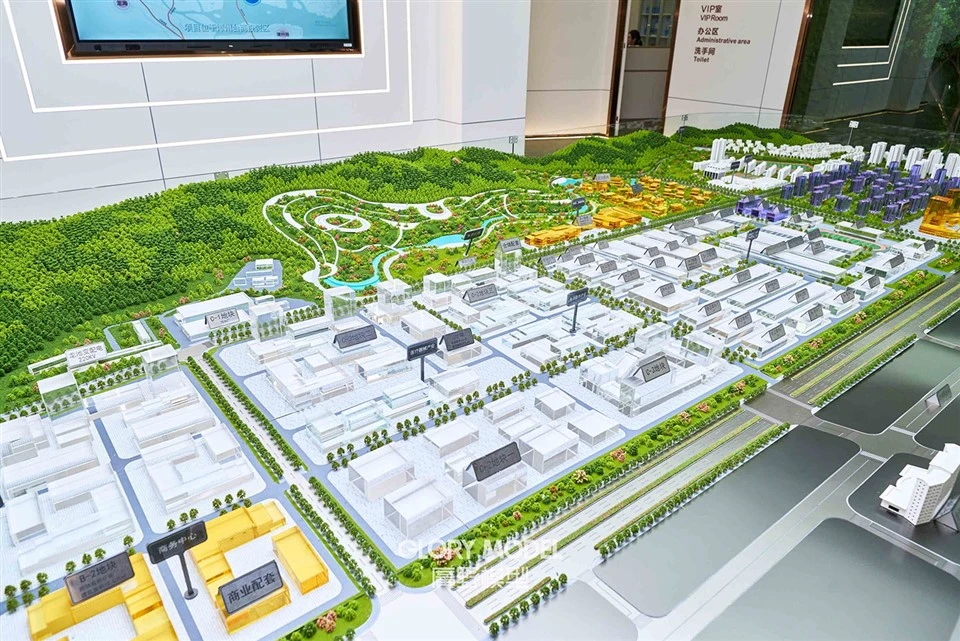
Industrial Park Models, available at Industrial Park Models, are useful when planning network expansions in industrial areas. These models can show the specific requirements of industrial facilities, such as high - speed data connections for manufacturing plants and warehouses. Telecom companies can use these models to design networks that meet the unique needs of industrial customers.
Maintenance and Troubleshooting
Once a telecommunications network is up and running, maintenance and troubleshooting are ongoing tasks. Infrastructure models can simplify these processes.
A detailed model can serve as a reference for technicians when they need to locate and repair network components. For example, if there is a problem with a fiber - optic cable, the model can show the exact route of the cable, its connection points, and any nearby equipment. This helps technicians quickly identify the source of the problem and reduce downtime.
In addition, models can be used to simulate potential problems before they occur. By running simulations, telecom companies can identify weak points in the network and take preventive measures. For instance, they can simulate the impact of a power outage on a data center and develop backup plans accordingly.
Regulatory Compliance
The telecommunications industry is highly regulated, and companies need to comply with various rules and standards. Infrastructure models can assist in this area as well.
Models can be used to demonstrate that a proposed network meets regulatory requirements. For example, they can show that cell towers are located at a safe distance from residential areas to minimize the impact of electromagnetic radiation. They can also prove that the network design adheres to environmental regulations, such as protecting wildlife habitats during the installation of fiber - optic cables.
Training and Education
Infrastructure models are also great tools for training and education in the telecommunications industry.
New employees can use these models to learn about the different components of a network and how they interact with each other. For example, a 3D model can show the flow of data through a data center, from servers to storage devices and out to the network. This hands - on learning experience can be more effective than traditional classroom lectures.
Conclusion
In conclusion, infrastructure models are indispensable in the telecommunications industry. They are used in every stage of the network lifecycle, from planning and design to maintenance and training. As a supplier of these models, I'm proud to be part of an industry that is constantly evolving and innovating.
If you're in the telecommunications business and are looking for high - quality infrastructure models, I'd love to have a chat with you. Whether you're planning a new network, expanding an existing one, or need help with compliance, our models can provide the solutions you need. Let's connect and discuss how we can work together to take your telecommunications project to the next level.
References
- Telecommunications Industry Association (TIA) standards and guidelines.
- Research papers on network planning and optimization in leading telecommunications journals.


