A Practical Guide to Model Maintenance and Repair
Models carry creativity and craftsmanship. Whether they are architectural models, collectible models or digital models, proper maintenance and repair are the only way to keep them shining for a long time. Here is a practical guide that we hope will help you in all aspects.
I. Regular inspection: Prevention
1. Detailed surface inspection
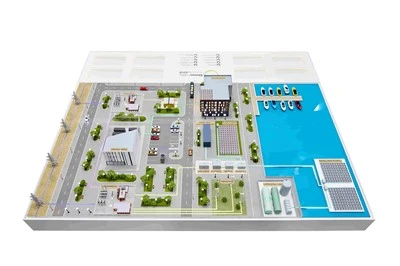
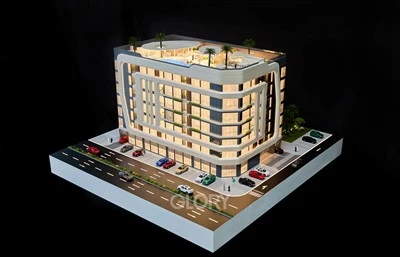
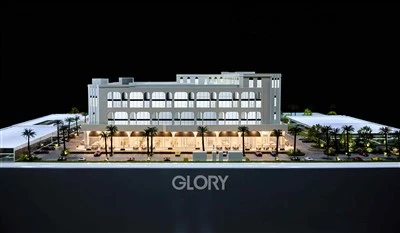
Regularly inspect the surface of the model in detail, especially the complex textures and decorative parts of architectural models, to detect visible damage such as scratches, stains, wear and cracks in time to avoid the expansion of small problems.
2. Structural stability inspection
Check the model support, base platform and the connection of each component to ensure its stability and safety. For large models, a stable structure is the key to long-term preservation.
3. Functional operation test
For models with electronic components (lighting, audio, motion devices, etc.), thoroughly check the circuit, power supply, sensors, etc. to ensure that all functions are operating normally.


II. Cleaning and preventive maintenance: protecting the value of the model
1. Removing dust and debris
Use a soft brush or a vacuum cleaner with a non-abrasive nozzle to regularly clean the dust and debris on the surface of the model to prevent dust and debris from accumulating and affecting the appearance and accuracy of the model.
2. Cleaning by material
Use appropriate cleaning agents and methods according to different materials such as wood, metal, plastic, etc. to avoid damage to the model due to improper cleaning.
3. Environmental protection
For models made of materials that are susceptible to environmental factors (such as wood, paper), a protective layer can be applied to protect them from the threat of moisture and corrosion.
III. Repair and parts replacement: revitalization of the model
1. Damage repair
Use appropriate adhesives and fillers to repair cracks and damage, and deal with faded parts. Complex parts can be repaired with the help of 3D printing and precision manufacturing technology.
2. Replace electronic components
Pay attention to signs of wear and failure of electronic components such as LED lights, motors, sensors, etc., and replace damaged or outdated components in time to restore the full function of the model.
3. Painting and repairing
Repaint and repair the model regularly to unify the color, maintain the surface texture, and restore the model to its original appearance.


IV. Technology update and upgrade: keep pace with the times.
1. Digital model optimization
Regularly update the 3D data of digital models and VR/AR models, optimize textures, lighting and graphics rendering, and improve visual effects.
2. Interactive function upgrade
If the model has interactive functions, you can add new interactive elements, or upgrade the user interface to integrate new technologies such as AR and VR to enhance the experience.
V. Storage and environmental control: Extend the life of the model
1. Create an ideal storage environment
Store the model in a space with controlled temperature, humidity and light to avoid damage to materials such as wood, paper and sensitive plastics caused by extreme environments.
2. Custom protective packaging
Customize packaging for fragile and complex models to provide comprehensive protection during storage and transportation and reduce the risk of physical damage.


VI. Documentation and tracking: achieve refined management
1. Establish maintenance logs
Keep detailed records of each inspection, repair, replacement, technical update and other maintenance activities, indicating the date, work content, materials used, existing problems, etc., to facilitate long-term tracking of the model status.
2. Digital model performance monitoring
For digital models, interactive multimedia models that are used for a long time, establish a regular performance monitoring system to handle update requirements and bug fixes in a timely manner to ensure smooth operation.
VII. Professional maintenance services: high-end model guarantee
For high-end architectural models with integrated electronic systems and complex interactive functions, it is recommended to seek long-term technical support from professional engineers, covering system integration, software updates, component troubleshooting and other services to ensure model quality.
Following the above model maintenance and repair guidelines can effectively extend the service life of the model, continue to exert its functional and aesthetic value, and create long-term value for model enthusiasts and users.