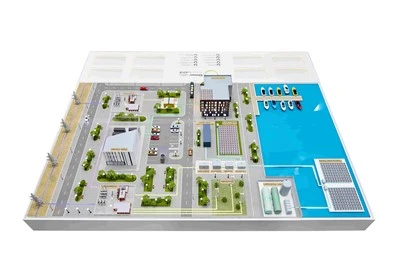
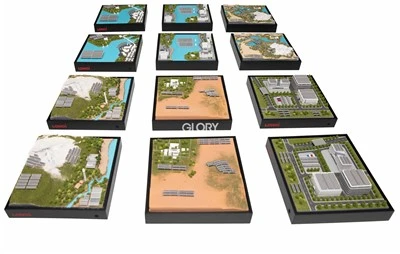
In the field of modern commercial display and product design, demonstration models are becoming increasingly important as an intuitive and efficient communication tool. Among the many factors that affect the quality and effect of demonstration models, the choice of materials undoubtedly occupies a pivotal position.
The main materials of demonstration models are varied, and the common ones are plastic, wood, metal and composite materials. These materials have their own advantages and provide a wealth of choices for different display needs.
Plastic materials are popular because they are light, durable and relatively low in cost. It can be formed through a variety of processes such as injection molding and blow molding to achieve complex and fine structural designs. Plastic models have high transparency and bright colors, making them very suitable for product display and concept communication.
Wood is known for its natural texture and warm touch. Demonstration models made of solid wood are not only sturdy and durable, but also give products a high-end and elegant temperament. In some high-end exhibitions or brand displays, wooden models are often used as a medium to convey brand value.
Metal materials, such as aluminum alloys and stainless steel, have a place in the field of demonstration models with their high strength and excellent durability. Metal models are not only structurally stable, but also can present high-end and technological visual effects through special surface treatment processes.
Composite materials combine the advantages of multiple materials, such as the composite of carbon fiber and resin, which not only ensures the lightweight of the model, but also greatly improves its strength and rigidity. This type of material is widely used in demonstration models in high-tech industries such as aerospace and automobile manufacturing.
Choosing the right material is crucial to the success of the demonstration model. It not only affects the appearance and texture of the model, but also directly affects the use effect and user experience of the model. Therefore, when making a demonstration model, it is necessary to carefully select the most suitable material according to specific needs and display goals.